

Time to re-tire, thermostats, radiator sealing, airlocks and more in this installment of Tech Tips
Something not right with your historic military vehicle? Steve Turchet answers your questions on how to keep ’em movin’!
Time To Re-tire
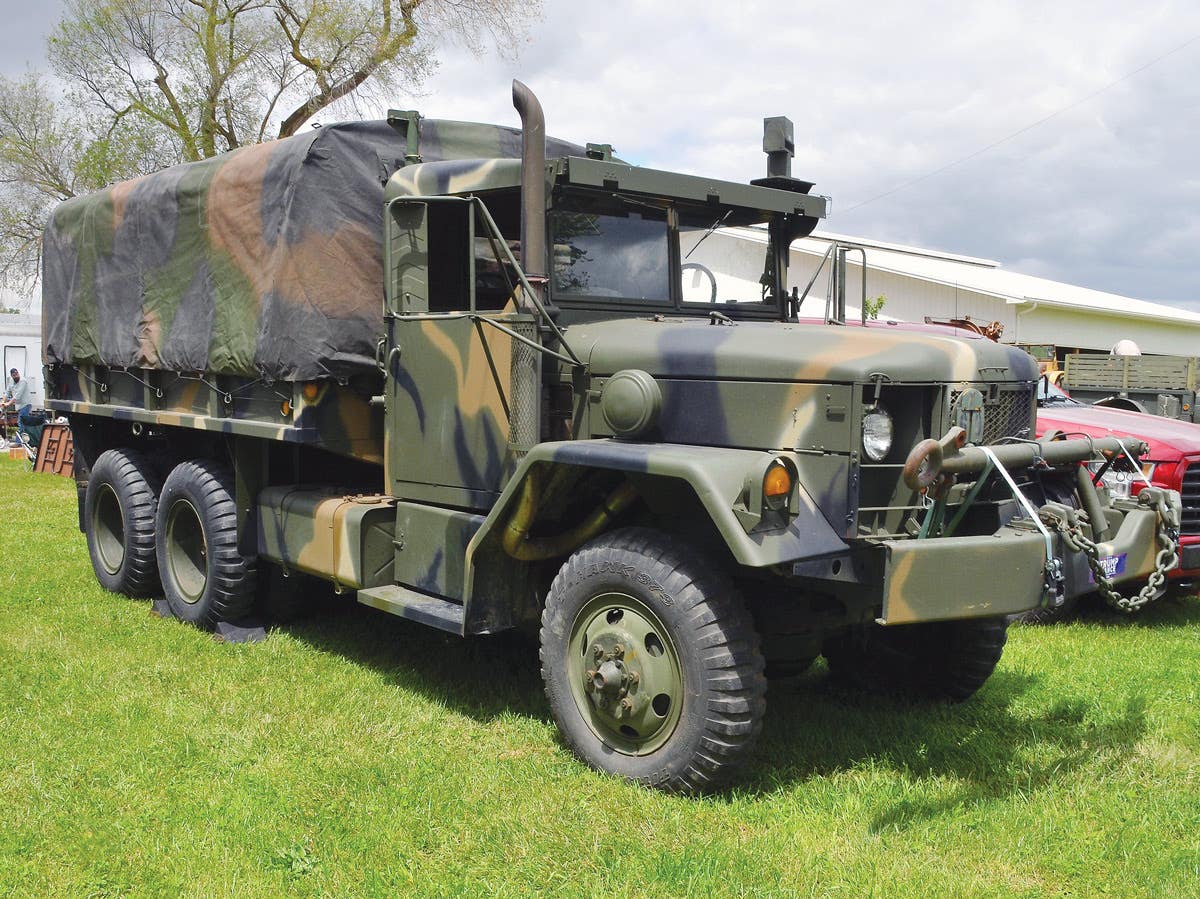
Q: I’m getting ready to replace the tires on both my M416 trailers and maybe the MUTT, too. Should I buy NDT or NDCC tires? What is the difference between them? 90% of my driving will be hard-surfaced roads. Any help or suggestions would be much appreciated. — Jerry Bubolz
A: There is a slight difference in tread pattern. The best way to see this is to look at some of the tire ads in the magazine. NDCC (Non-Directional Cross Country) may perform slightly better in soft terrain and sand... though I haven’t noticed much difference. NDT (Non-Directional Tread) is more of a compromise for highway use, but neither pattern wears well or lasts for long on the road. Nor do they grip well on wet or slippery pavement. I assume you want these for appearance sake on your MUTT and trailers? There’s nothing wrong with that, but you’ll probably be surprised at how fast they will wear out. You will probably only get about a third of the life -- if that -- of conventional traction or highway-tread tires. And of course you know your MUTT will wear the outer sides of the tires most? Hope this helps in your decision.
Hot Enough For You?
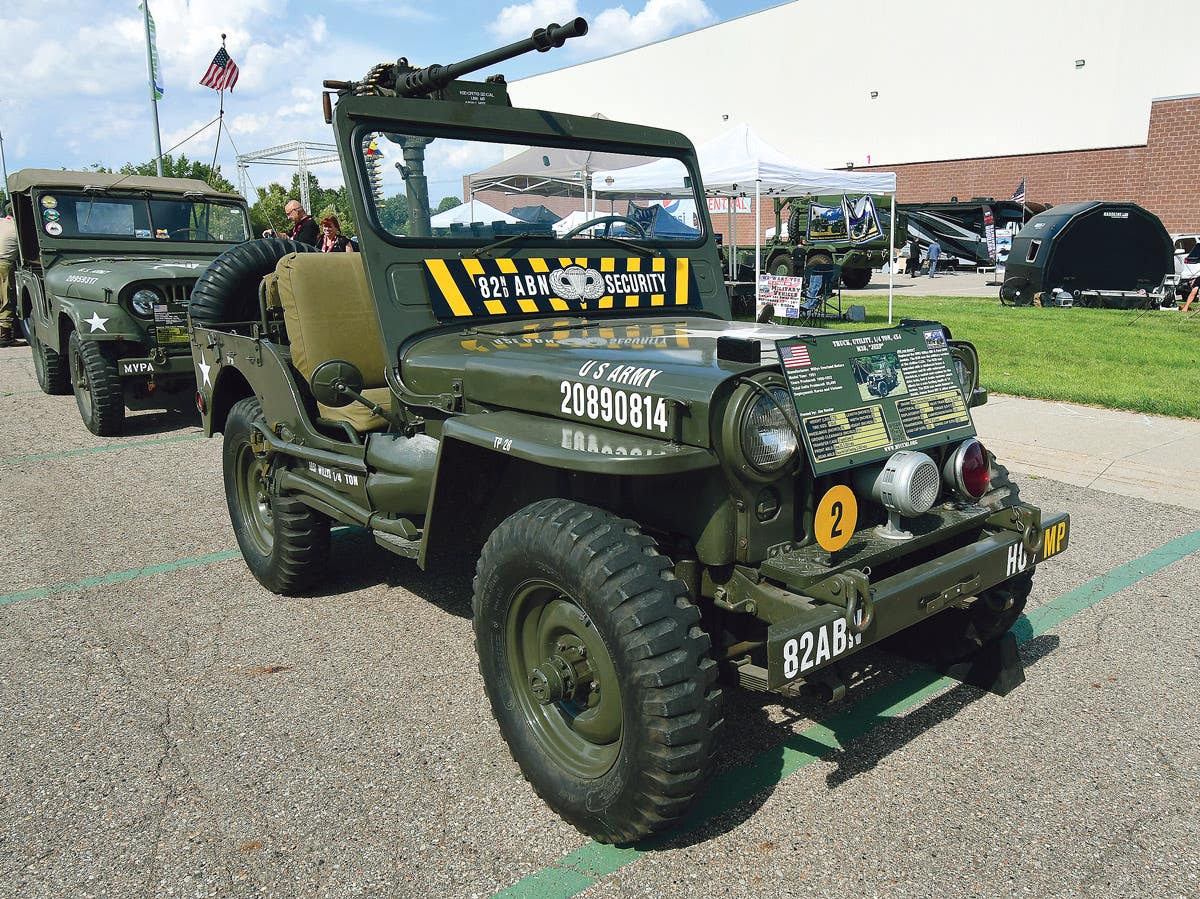
Q: I have a 1956 M38A1. What is the correct thermostat to use? They come in 160, 180, and 190 (F) heat ranges. — Donald Spencer
A: Many people don’t know that the heat rating of thermostats refers to when the thermostat begins to open. This often has little to do with how hot or cold the engine itself may run: that depends upon many factors, such as the condition of the engine and radiator, how hard the engine is working, and the temperature of the surrounding environment. For example, installing a 160 degree thermostat in your jeep is no guarantee that the engine would not run at 200 degrees if pulling a heavy load through a desert when the temperature of the air is 110 F. Generally speaking, most older HMVs, such as jeeps, MUTTS, M37s M715s and CUCVs with cooling systems in good condition and used in average North American climates will benefit best from 180 degree thermostats. For long hot summers or desert operation, 160 would probably be better. On the other hand, when temperatures are consistently below 40 degrees F, then a 190 degree thermostat might work best. By the way, removing a thermostat is no guarantee that an engine will run cooler. If fact, it may overheat because without a thermostat to regulate the flow, the coolant may circulate through the system so fast that the radiator doesn’t have time to cool it.
Is It Safe To Seal?
Q: I have a 1967 M151. The radiator is probably original because several tubes have started leaking. I plan to have it re-cored as soon as I can afford it but I would like to know if you think that using a stop leak is safe for the engine? If so, do you have any recommendations? — Dave B.
A: No radiator lasts forever and will eventually have to be replaced or rebuilt. One can usually get by for a while, or fix a minor damage leak, by using a good quality leak seal product. Most of these work basically like a blood clot, solidifying where engine coolant meets air, such as a split in a radiator tube or a crack in an engine block or cylinder head. Unless grossly misused, most common leak sealants won’t damage an engine. While one usually gets what one pays for in life, high price doesn’t always guarantee effectiveness with leak seal products. Results also vary with the type, location, and seriousness of the leak. I once used something called KW Block Seal in a GMC engine with a very badly freeze-cracked block and put thousands of miles on the truck with no problems. However, radiator tubes expand and contract a lot, so are often harder to seal than block leaks. Carefully read a product’s label and follow the manufacturer’s instructions, especially in regard preparing the cooling system, whether or not to flush it first, and how much product to use depending upon the capacity of the system. After all, the manufacturer wants it to work so you’ll buy something else from them.
Unlocking An Airlock
When adding radiator water to some vintage vehicles, especially those sitting idle for long periods, you may find that an airlock forms with the thermostat closed. What happens is, even though you’ve filled the radiator, there still isn’t enough water in the system, and the engine overheats as soon as the thermostat opens. A simple fix is to drill a small hole in the thermostat skirt or flange, taking care not to damage the mechanism. This will let the system purge itself of air as you fill the radiator, and the small bypass hole won’t adversely affect engine warm-up time or coolant circulation.
The Hole Story
Q: I’m buying an M38 Jeep. What is the purpose of the irregular shaped hole in the right side of the hood? — G. Tedrowe
A: That opening served two purposes. It was for routing the air intake hose when an M38 was equipped with a deep-water fording kit, and also for mounting the electrical connector when the vehicle was fitted with a “jump start” kit. When not equipped with these kits, the opening was covered by a plate. You should be able to locate either the appropriate kits and/or cover plate from some of our advertisers.
Send your favorite Tech Tip or question to Steve Turchet at military@aimmedia.com
Looking for more Tech Tips? Check these articles out!