‘Werkschutz’: Standing guard over Hitler’s war machine
“Werkschutz” (factory protection service) groups remained mostly in private hands, though loosely controlled by the Nazi hierarchy in the Third Reich.
Drunk with power and no longer deeming it necessary to follow the draconian restrictions imposed on Germany through the Versailles Treaty, Adolf Hitler and the “Nationalsozialistische Deutsche Arbeiterpartei” (NSDAP – Nazi Party) began their public buildup of military arms and equipment shortly after taking power in 1933. Both large and small industries produced a huge stockpile of materials meant to equip the German armed forces with the latest technologies, while other companies manufactured needed consumer goods. Products made for a public hungry for those items that had become scarce during the great depression would both help fund the economy, and placate the German public. This supply of civilian goods demonstrated the “greatness” of Hitler’s German Reich, which was slowly, and covertly, gaining control over its citizens’ everyday lives.
Due to their size and complexity, many of these larger factories required full-time guards to keep the premises and contents safe from internal and external theft, fire, employee issues and sabotage. Because of the vast differences in each industrial complex, and the leverage wielded by cooperative industry giants towards the Nazi regime, “Werkschutz” (factory protection service) groups remained mostly in private hands, though loosely controlled by the Nazi hierarchy.
As with many of the organizations during Hitler’s 12-year reign, there were a number of name changes, restructuring and subgroups created for the men and women held responsible for keeping the Reich factories safe. However, the three main organizations of the paramilitary protection units consisted of: the “Werkluftschutz” (workplace air defense), the “Werksicherheitsdienst” (Works Security Service – often simply abbreviated as “Werkschutz”), and the “Werkfeuerwehr” (workplace fire fighters). Each of these groups was indirectly overseen by the government, with individual members continuing as employees of their companies.
When Hitler’s plans for conquest caused the god of war to raise its ugly head, and the potential for future bombing raids became more likely, an organization named the “Werkluftschutz” (WLS) was founded in 1938 under direction of the “Luftwaffe” (armed air force). Large “war essential” factories were required by the state to have their own regulated WLS groups guarding the premises. These men (and eventually women and non-Germans) were trained as aircraft spotters on rooftops, post-bombing medical aides, veterinarian service providers, communications technicians, victim recovery specialists and workers for the clearing of wreckage. The service was first manned by volunteers, but as more men were sent to the fronts, any available substitutes were simply forced into these often perilous positions.
Members of the Werksicherheitsdienst (WSD) secured factories by limiting entry to the facilities, watching for theft, internal and external sabotage, and reporting employee laziness. As the war progressed, and more non-Germans were first transported into the country, then pressed into manufacturing service (often in a “slave labor” capacity), WSD personnels’ duties began to resemble those of prison guards, overseeing the Slavs, Russian prisoners and other “inferior” workers who now made up the majority of the workforces. With increasing demands for the production of armaments, and the unrelenting pressures that followed, some WSD personnel fell into administering increased brutality towards the non-Germans under their supervision, often carried out while in horrific conditions. As Heinrich Himmler and his “Schutzstaffel” (SS) took charge of all German policing associations, some WSD units were referred to as members of the “SS-Werkpolizei” (SS work guards), since they came under the direct control of SS officers.
The “Werkfeuerwehr” members were comprised of men and women, Germans and foreigners who acted as firefighters, assuring the safety of the employees on the factory grounds and buildings. These groups were also originally made up of volunteers, but as original workers were called into the military and losses mounted, replacement members could be conscripted into the increasingly dangerous profession. These company fire brigades would become rapidly overwhelmed as Allied bombings and sabotage laid waste to their industrial complexes, causing the intense infernos that would destroy the Germans’ weapon making capabilities.
Uniforms for all three branches were not always consistent since each member had to purchase their own uniforms, with meager supplies, lack of strict enforcement and individual finances dictating the level of their conformity. In many instances the part-time members only wore armbands during their duties to show that they belonged to a particular group. In addition, small shops had few regulations, and followed only scant guidelines for the few guards they may have had.
Full-time members of the WLS wore a semi-standard gray buttoned-up tunic with the letters “WL”, an eagle and swastika on the collar tabs (when insignia was present). It was not unusual to find a mixture of company logos and WLS insignia worn on the same uniforms. Military and civilian awards (ribbon bars, badges, etc.) could be worn on the tunics, attached in their authorized places. Variations in dress also existed with boots or shoes, belts, with or without cross straps and shirts and ties. Headgear was either overseas or visor-style caps with industry or organizational insignia. When engaged during an actual crisis, WLS members wore “Luftschutz” or combat style helmets with or without their company’s logo.
When carrying out “police” type duties where appearances of authority were important, WSD members dressed more formally as uniformed security guards. In general, there was a certain amount of conformity, but again, varieties existed because of the differences in companies, supplies and locale. Regulation tunics consisted of dark gray open-neck designs with matching slacks, light-colored (white, tan or blue) shirts and dark ties. Military and civilian awards, received by the recipients could be worn on the tunics in their respective positions. Black boots, shoes and belts with either claw buckles or bearing company logos were permitted, Dark gray side caps or visors were worn with a WSD insignia of shield and eagle over a national roundel of black, silver and red.
A unique cloth patch was worn on the left upper tunic sleeve. This device was made of cotton or bullion thread stitched as a canted shield with swastika overlaying an eagle with outstretched wings. Behind the protecting eagle was a gear and factory, signifying industrial structures. Eagle embossed armbands were sometimes worn along with cuff titles featuring “Werkschutz” printed on various colored backgrounds. Personnel were not usually authorized to wear their uniforms while off duty, but restricted to use only while on the business grounds.
Standard “Werkfeuerwehr” uniforms were similar to those worn by the German fire departments. Dark blue tunics with silver buttons were piped with red and accompanied by matching slacks. Military and civilian awards could be displayed on the tunics as permitted by the other guarding groups. Black belts, cross straps (if used) and boots or shoes completed the basic wear. Sleeve shields were worn on the left upper sleeves of the tunics. These dark blue and crimson patches could contain the name of the company, the city of location, the word “Werkfeuerwehr” or any combination of those. The lettering would surround a police style eagle with outstretched wings, perched on a swastika and round wreath, centered inside another oval oak leaf wreath. Caps were either soft overseas models, a short billed “alpine” type, or a full dark blue, black-billed visor with the same eagle and shield device as found on the WSD caps. During dress occasions, Werkfeuerwehr men were allowed to carry a fireman’s black and nickeled dress bayonet with an “S”-shaped cross guard. When working in their firefighting capacities, members could wear police, Luftschutz or combat helmets (with or without the company logos) and a variety of practical and rugged field service gear such as overalls, thick-hooked fireman’s belts, gas masks, axes and other equipment.
As the war continued to devastate the German plants of Farben, Krupp, Messerschmidt and other industrial giants, along with an untold number of smaller manufacturers, thousands of those guarding the employees and properties of their companies died as fire, shelling and bombs destroyed everything around them. When the fighting finally stopped with the collapse of the Nazi empire, many factory guards continued to work at their old jobs in the occupied country as the Allies had the rubble cleared and consumer-based production slowly resumed. Restarting Germany’s economy would go on to help the nation regain its prominent place as a peace-time manufacturing leader among the European nations after the final demise of Hitler’s failed Third Reich.
Abendschon painted his name on the helmet skirt. Courtesy Chris William
We know you love military history and vehicles, but do you collect anything else? Ever wonder about the baseball cards in a box in the basement or Grandma’s old coins in a jar? Do you love old cars or spin vinyl? Head on over to Collect.com and see what you are missing. Collect.com is the who, what, when and where of the collecting world! https://www.collect.com/
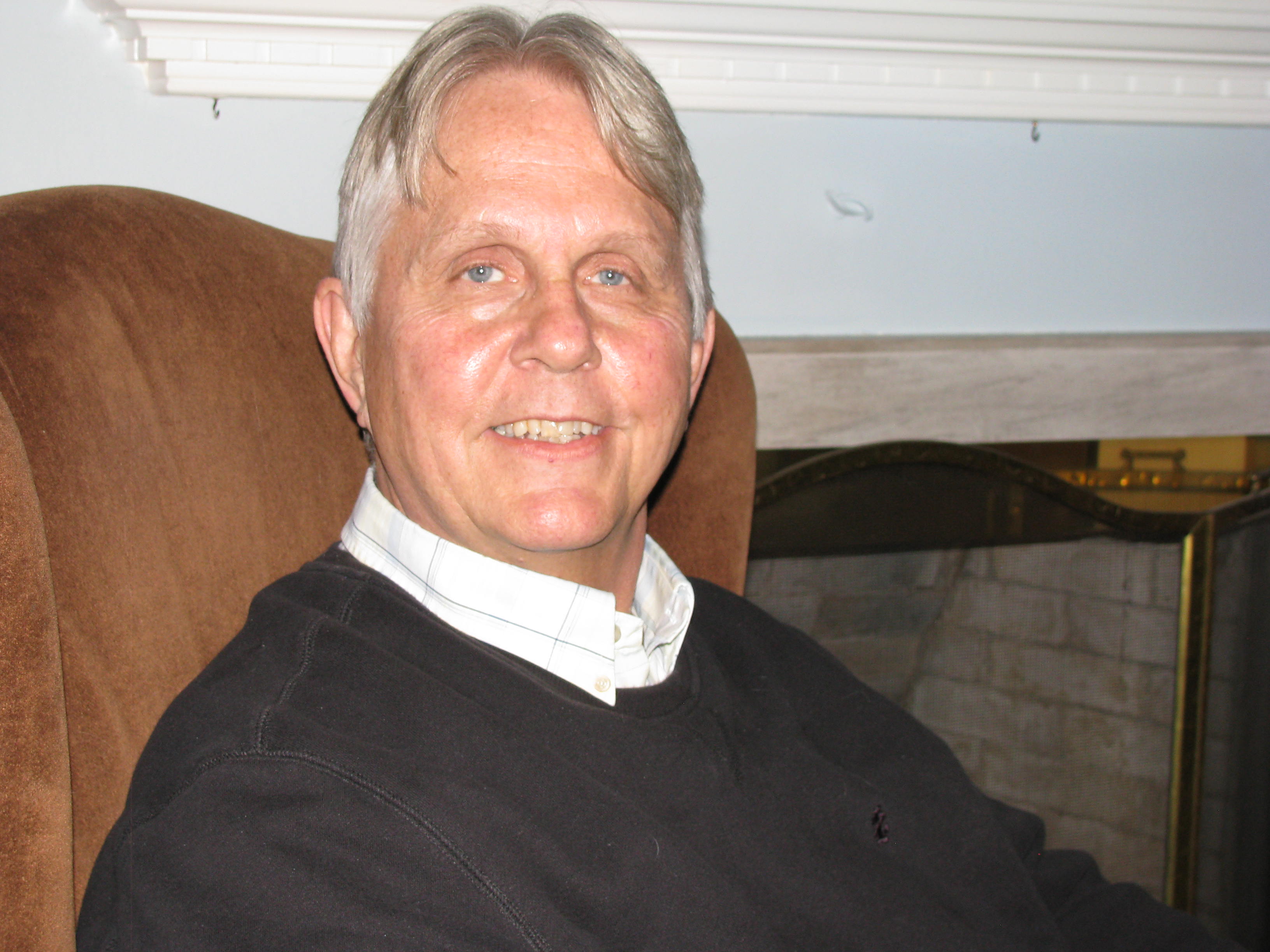
Chris William has been a long-time member of the collecting community, contributor to Military Trader, and author of the book, Third Reich Collectibles: Identification and Price Guide.
"I love to learn new facts about the world wars, and have had the good fortune to know many veterans and collectors over the years."
"Please keep their history alive to pass on to future generations".